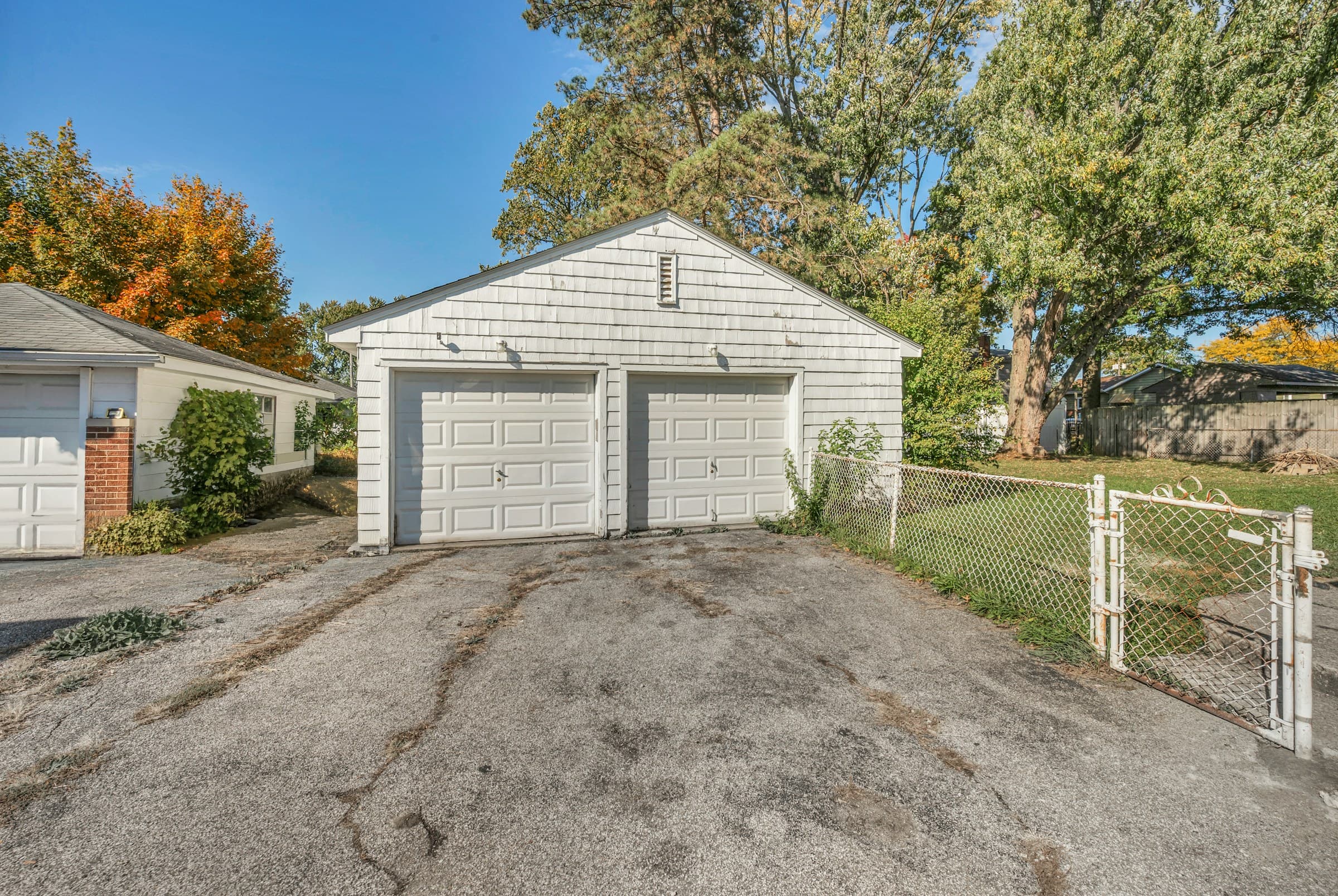
The short answer
The cheapest fix is to clean out the cracks and seal them, which keeps water and salt out and stops them growing. It only works on a driveway that's still level and solid; if the slab has sunk or broken up, the base has failed and cheap fixes won't hold.
On this page
Is there a way to repair a concrete driveway?
Yes, and the fixes go roughly from cheapest to most involved. Sealing cracks comes first. Cleaning and sealing the whole surface is next. Resurfacing puts a thin bonded layer over a sound slab. Lifting raises sunken panels by pumping material under them, which specialist firms do. Replacing single panels or the whole driveway comes last.
Asphalt driveways have their own ladder of crack filling, patching and seal coating, with the same rule that the base decides what lasts.
Whichever fix you pick, find out why it cracked first. A downspout emptying onto the slab, a tree close by, or water running off the next lot will keep undoing repairs. Sorting out the water is often the cheapest fix of all.
Should hairline cracks in concrete be repaired?
They don't affect the strength, so it's optional. Sealing them is still cheap insurance. Water gets into an open crack, freezes and widens it, and salt follows the water in.
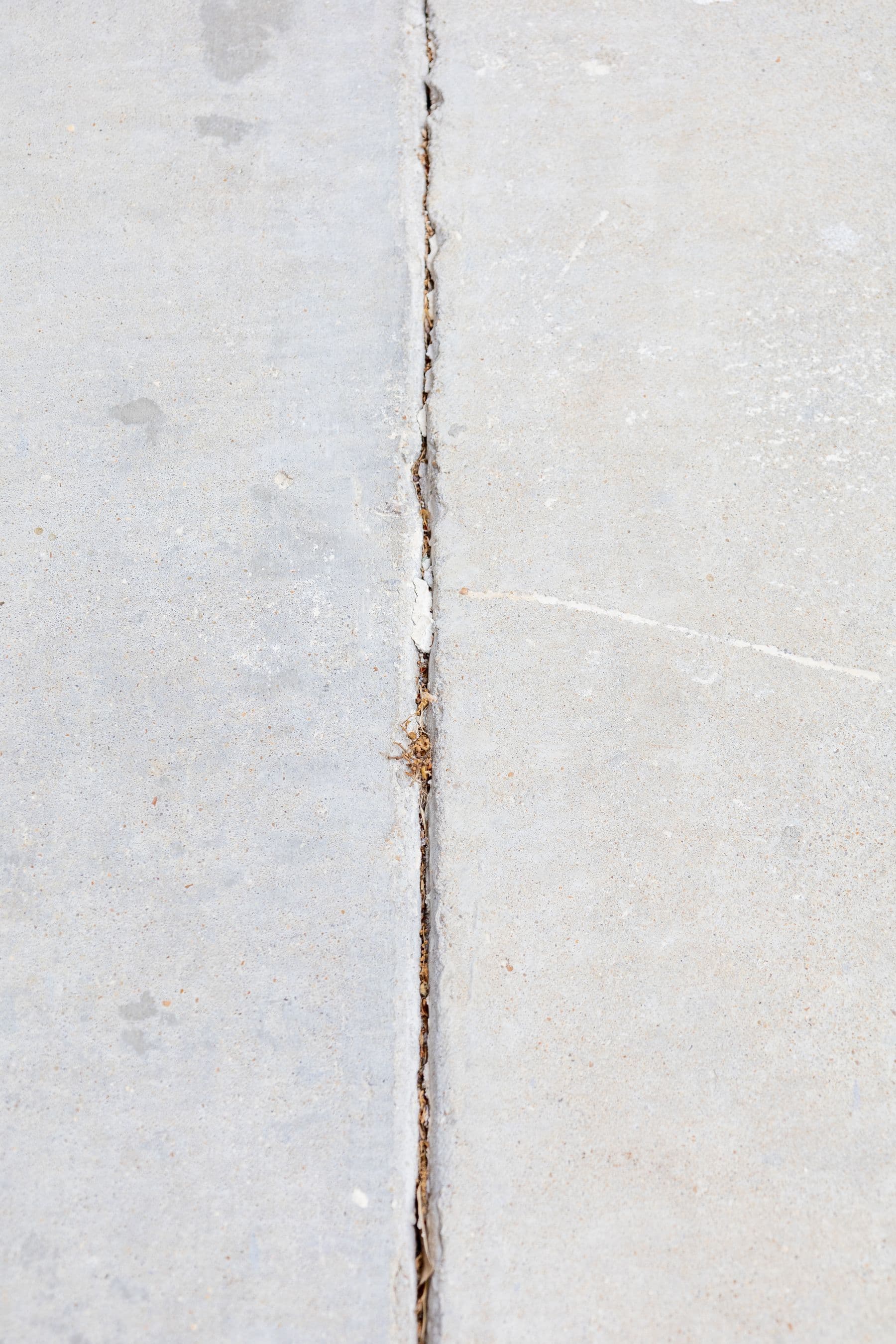
Clean the crack out with a wire brush and a blower or shop vac before sealing. Sealant won't stick to dust and loose grit. Pick a dry spell, since most sealants need a dry crack and a few dry days to cure.
What is the best sealant for cracks in a concrete driveway?
For cracks that open and close with the seasons, use a flexible sealant made for exterior concrete. For wider cracks, a foam backer rod pushed in first stops the sealant sinking and saves product.
Rigid patching mortars suit chips and broken edges better than cracks. In a moving crack they tend to break loose. For the finest hairline cracks, a penetrating sealer over the whole slab often does more than filling each one.
How common are hairline cracks in new concrete?
Very common. Concrete shrinks as it cures, and fine cracks often appear in the first months. Control joints are cut so most of them form along the joints where you won't notice.
A few hairline cracks in a new driveway aren't a defect on their own. Wide cracks, or one side sitting higher than the other, are a different matter.
Will 2 inch thick concrete crack?
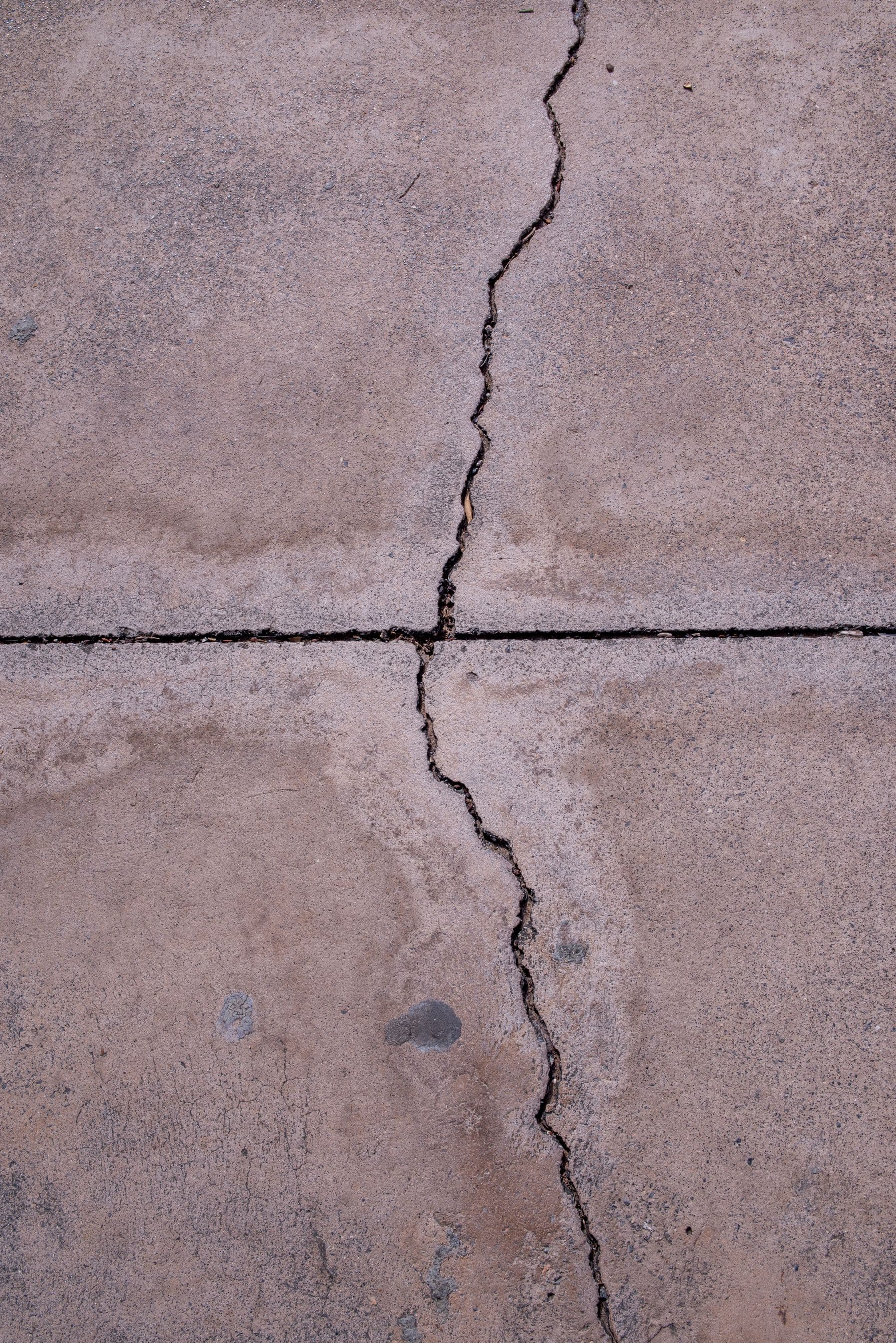
As a driveway slab, yes, and quickly. At 50 mm (2 in.) it has too little depth to carry a car's weight across a soft spot. Commonly cited practice for driveways starts at 100 mm (4 in.) of concrete on a compacted base.
Thin layers do have a place as a bonded overlay on top of an existing sound slab, where the old slab carries the load. A thin pour over a cracked or settling driveway just copies the cracks.
When is the cheap fix a waste of money?
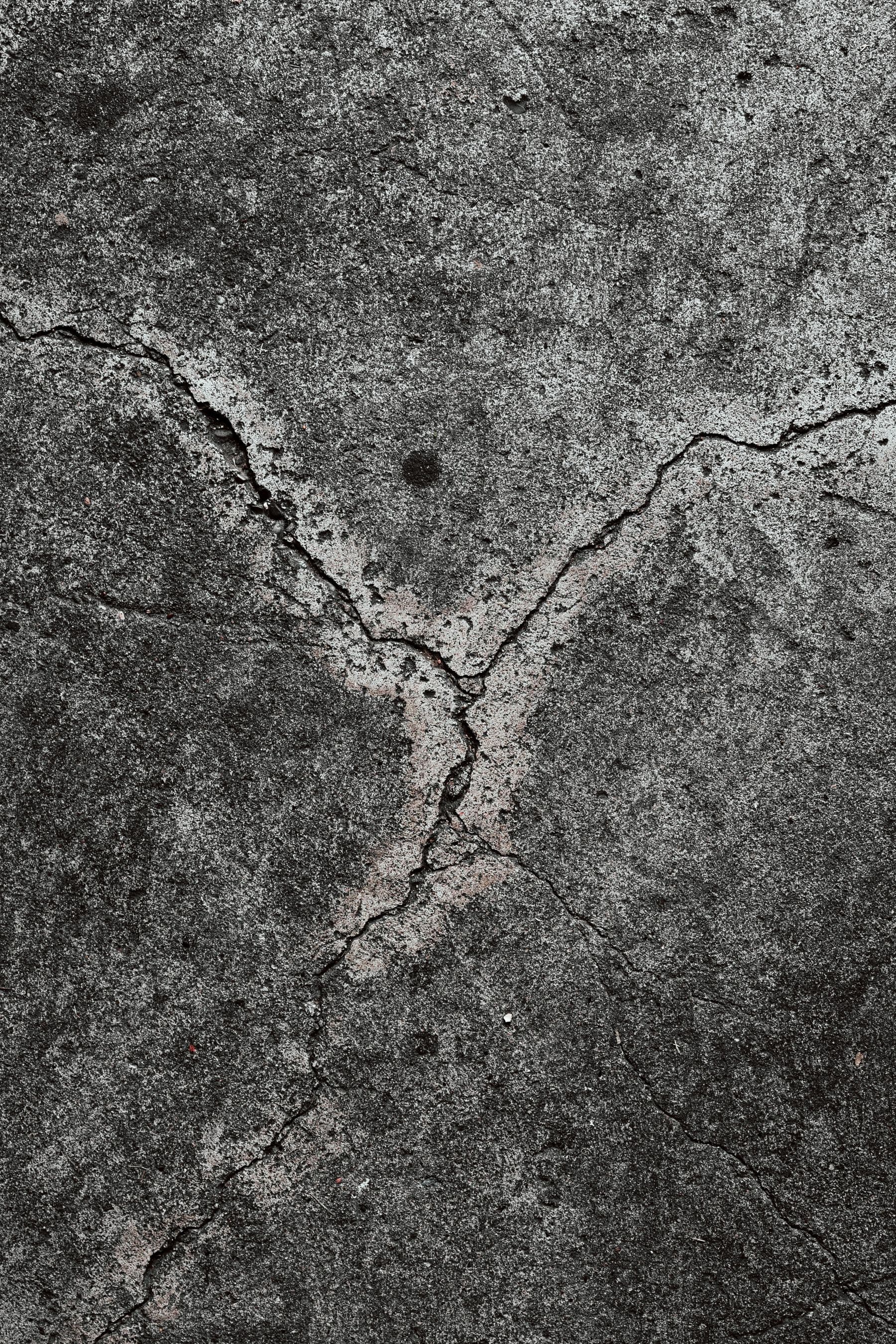
When the problem is under the slab. Sunken sections, heaved joints, roots lifting an edge, and water running under the driveway all mean the base has failed. Sealing or resurfacing on top buys a season at best.
In that case the fix that costs least over time is to take out the failed part, correct the base or drainage, and pour new. Send a photo of your driveway with the booking form and John will tell you which fix it needs.
The bottom line
The cheapest fix is to clean out the cracks and seal them, which keeps water and salt out and stops them growing. It only works on a driveway that's still level and solid; if the slab has sunk or broken up, the base has failed and cheap fixes won't hold.
More questions
Can you pour concrete over concrete to fix cracks?
Over a sound, level slab with a worn surface, a bonded overlay can work. Over cracks that are still moving, the cracks come back through.
How big of a crack is acceptable in concrete?
Hairline cracks with both sides level are normal. As a rule of thumb, cracks wider than about 6 mm (1/4 in.), or with one side higher, need a closer look.
What types of cracks can you not ignore?
Cracks with a sunken or heaved side, cracks that keep widening, and cracks near roots or where water pools. They point to a problem under the slab.
What is the cheapest way to resurface a concrete driveway?
A thin bonded resurfacer over a cleaned, sound slab is usually the least involved option. It only lasts if the slab underneath isn't moving.
Rules differ by city. Check yours with the source links above, or ask us at the site visit.