The short answer
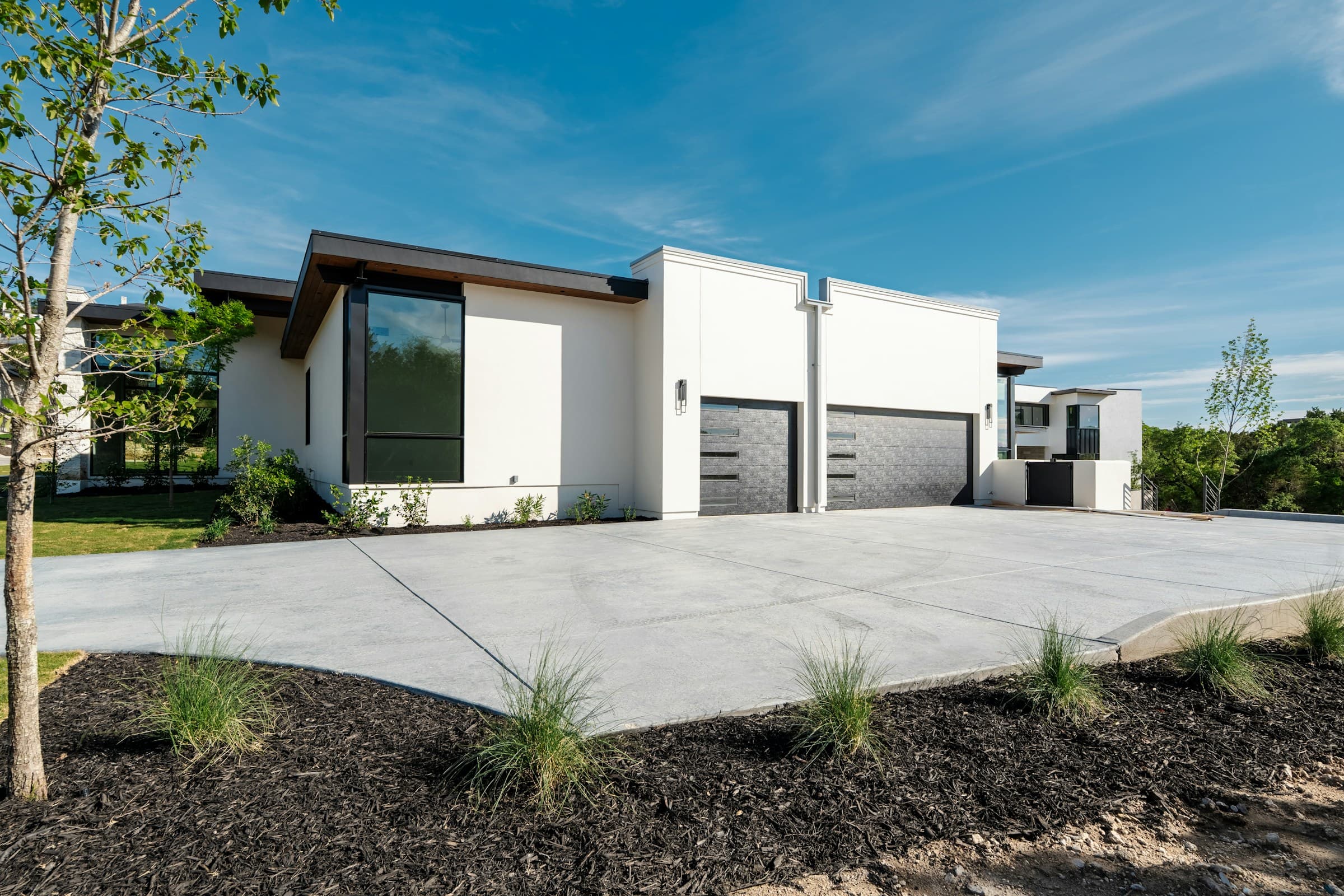
A concrete driveway costs more to put in than asphalt or gravel, it will crack somewhere, and de-icing salt and oil can mark the surface. A good base, the right thickness, control joints and sealing handle most of these, which is why concrete usually outlasts the alternatives.
On this page
What goes wrong with a concrete driveway?
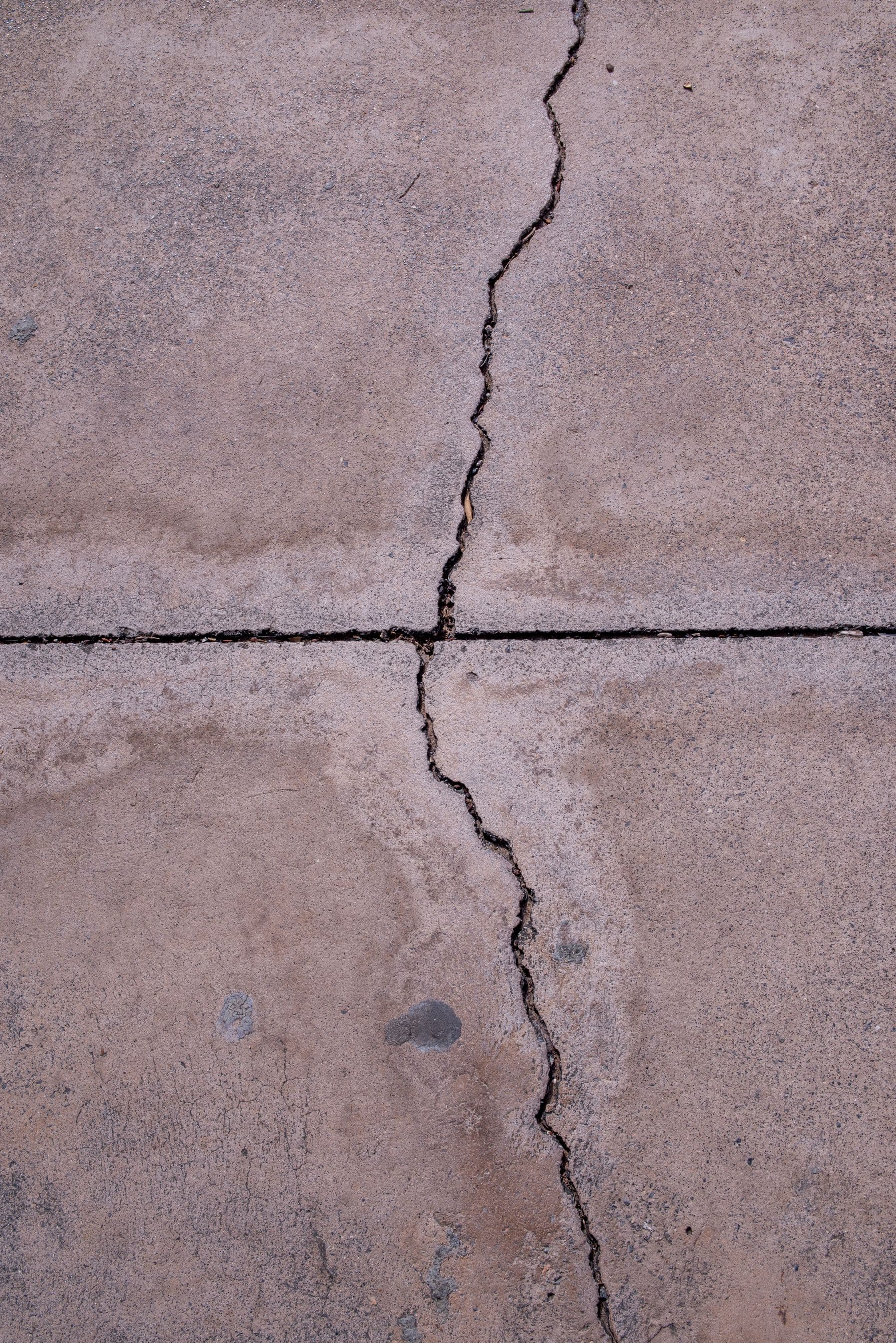
All concrete cracks. It shrinks as it dries and moves with the ground, so the question is where. Control joints cut into the slab give the cracks a straight line to follow. Without them, or with joints too far apart, cracks wander across the driveway.
The surface can be damaged in winter. Salt and freeze-thaw cycles can flake the top layer, called scaling, especially in the first winter. Oil and rust stains soak in unless the slab is sealed. Repairs never quite match the colour of the old concrete, and a new driveway needs about a week before you drive on it.
The biggest downside is the upfront cost. Concrete costs more to put down than asphalt or gravel. What you get back is a longer life and less upkeep.
How thick should a concrete slab be for a driveway?
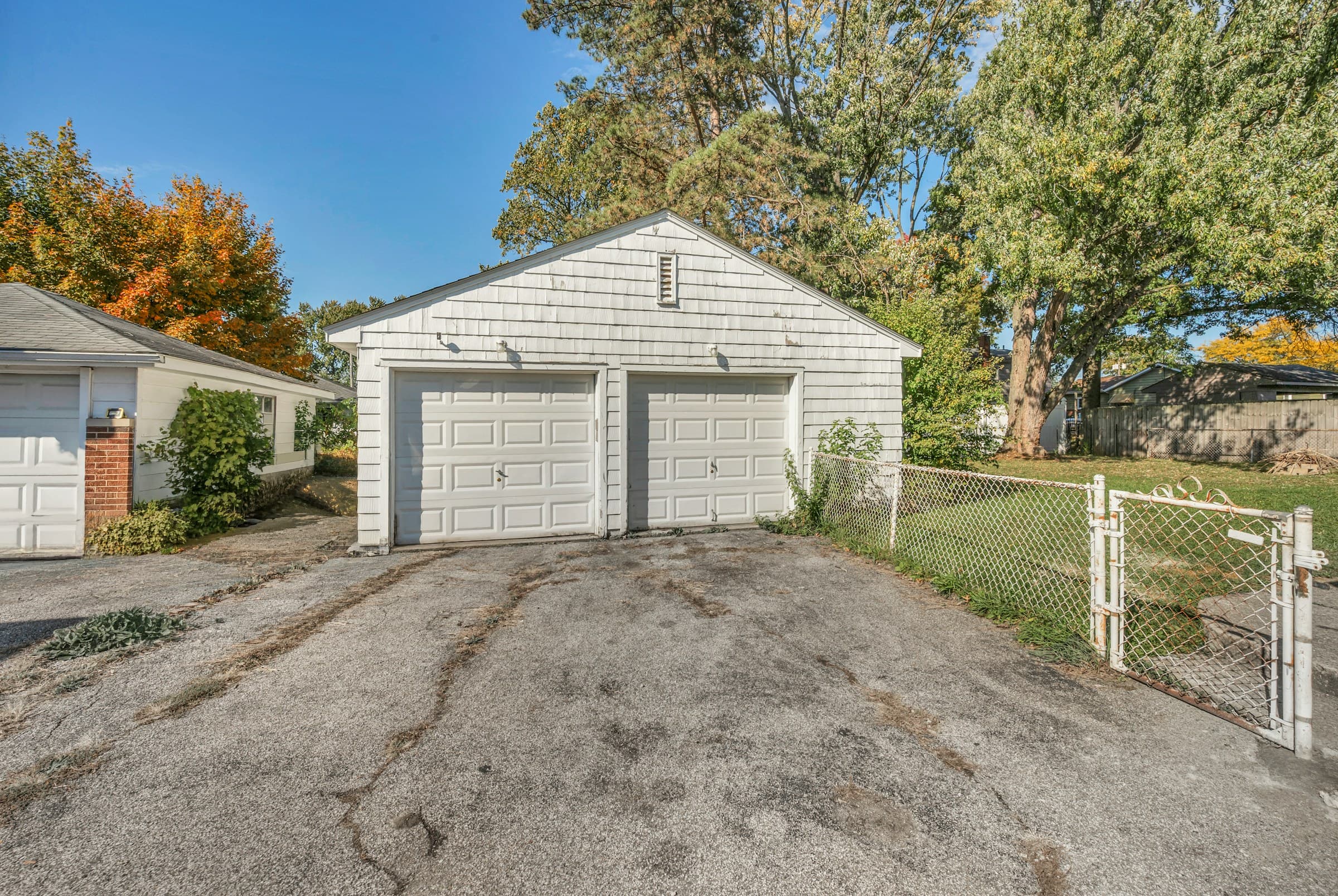
Commonly cited general practice is 100 mm (4 in.) for cars, and 125 to 150 mm (5 to 6 in.) for heavy pickups, RVs or work trucks. It sits on a compacted crushed-gravel base, often 100 to 150 mm (4 to 6 in.) deep.
Your soil, what you park and the City's standards at the street set the real spec. A thin slab on a weak base is the most common reason a driveway cracks and sinks early.
Can I pour concrete directly on dirt?
For a driveway, no. Topsoil and organic material compress and hold water, so the slab settles unevenly and cracks. The usual approach is to dig down to firm subgrade, then build up a compacted gravel base that drains and gives the slab an even bed.
The same goes for grass. Pouring over turf traps organic material that rots under the slab and leaves voids.
Is painting a concrete driveway a good idea?
Usually not. Paint sits on the surface, and tires, salt and water wear it off in patches. Once it peels, it's harder to fix than the bare concrete was.
If you want colour, it works better in the concrete itself, as integral colour or a stain, or in a stamped finish. A penetrating sealer protects the surface without peeling.
What is a cheap alternative to concrete?
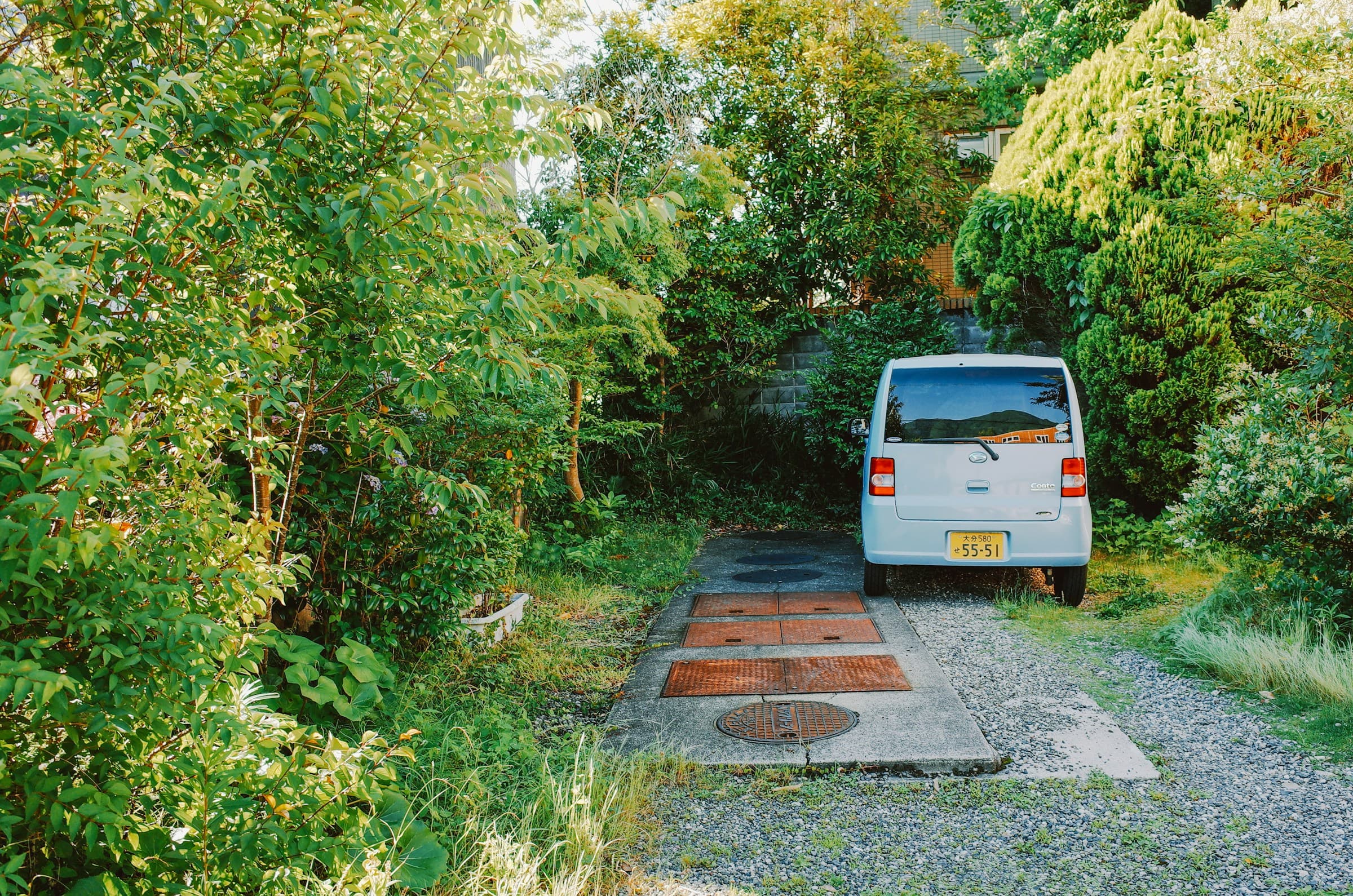
Gravel is the cheapest to put in. Compacted road base, sometimes called poor man's concrete, packs harder than loose driveway gravel but still ruts and needs topping up. Asphalt costs less than concrete up front and is quick to drive on.
Pavers are another option. They cost more to install than plain concrete, but single units can be lifted and reset. Each one lasts as long as the base under it.
What are the pros and cons of asphalt vs. concrete driveways in Canada?
Asphalt usually costs less to put down and flexes a little with frost. It needs sealing every few years, softens on hot days and tends to wear out sooner. Concrete costs more up front, lasts longer, handles heat better and gives you finish options. Salt in the first winter is its weak spot.
In both cases the base underneath decides most of the driveway's life. Send a photo of your driveway with the booking form and John will tell you what a concrete one would need.
The bottom line
A concrete driveway costs more to put in than asphalt or gravel, it will crack somewhere, and de-icing salt and oil can mark the surface. A good base, the right thickness, control joints and sealing handle most of these, which is why concrete usually outlasts the alternatives.
More questions
What is poor man's concrete?
Usually crushed gravel with the fines left in, often sold as road base, that packs hard when it's wetted and compacted. Some people use the name for gravel mixed with dry cement.
When should you not pour concrete?
In heavy rain, on frozen ground, or near freezing without protection for the slab. Both rain and frost can damage fresh concrete before it gains strength.
Can I DIY a concrete driveway?
A driveway is a lot of concrete to place and finish before it sets, so most homeowners hire it out. A small pad is a better first DIY job.
What type of driveway adds the most value?
A clean, level driveway that drains well helps any house. Concrete and pavers usually look the most finished, and a cracked or rutted driveway pulls value down whatever it's made of.
Do I need gravel under a concrete slab?
Yes, for a driveway or any slab outside. A compacted gravel base drains water away from the underside and gives the concrete an even, firm bed. Without it, wet Lower Mainland soil softens and settles unevenly, and the slab cracks where it loses support. How deep the base goes depends on the soil and the load.
How long does concrete take to harden?
It sets within hours and can take light foot traffic after a day or two. It's ready for cars after about a week and close to full strength after about four weeks. Cold weather slows all of that down, so a fall pour needs longer before you drive on it.
Rules differ by city. Check yours with the source links above, or ask us at the site visit.