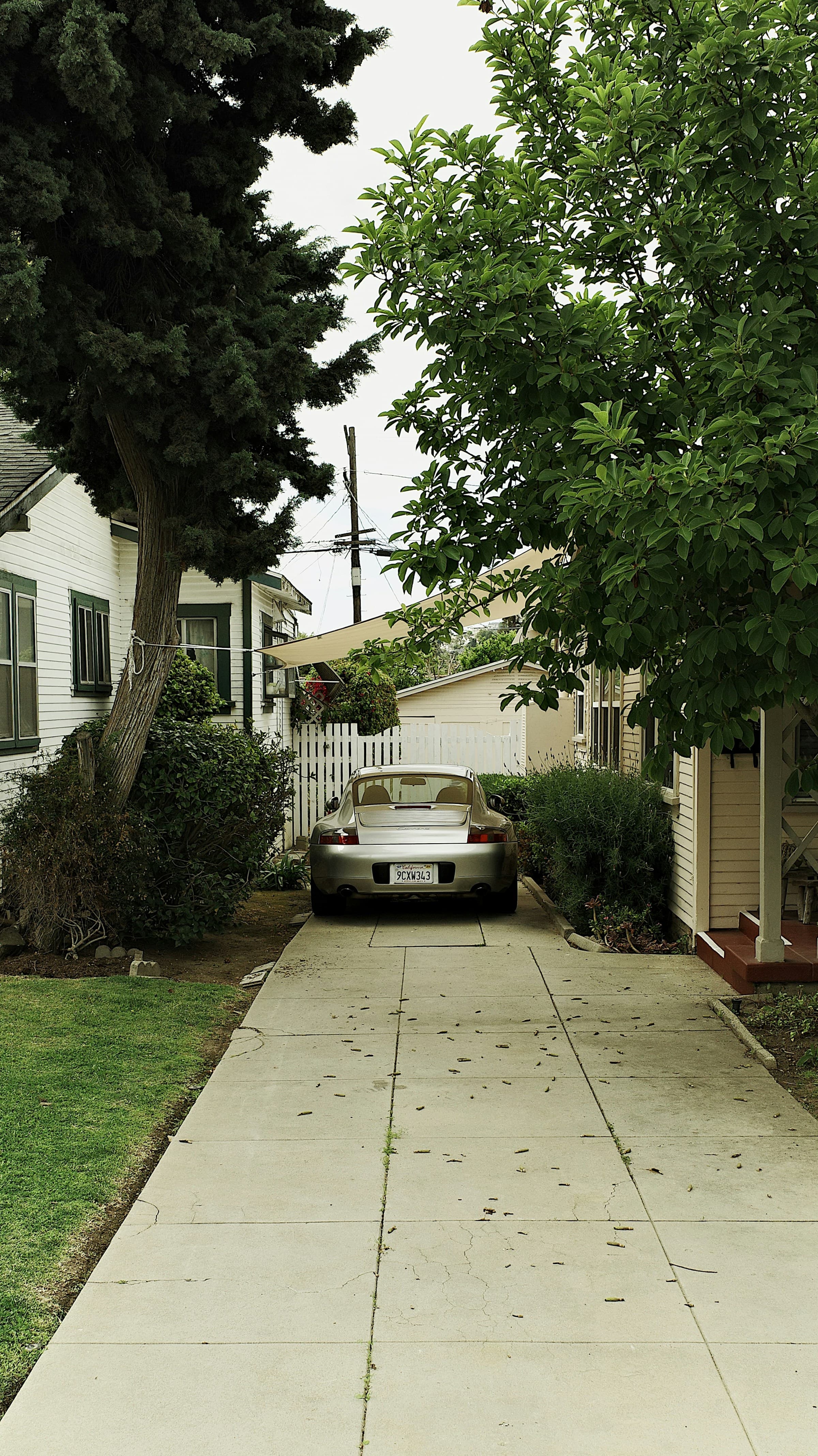
The short answer
The apron or crossing is the part of the driveway between your property line and the road, and in most Lower Mainland cities it sits on City land and needs the City's approval before work starts. In Maple Ridge that means an application accepted by Engineering, with the City sizing any culvert under it and the applicant paying.
On this page
Does a driveway need an apron?
Every driveway that meets a street has one, whether anyone calls it that or not. It's the piece that gets your car from the road edge to your lot. It takes the hardest wear on the whole driveway, because every vehicle crosses it, including garbage trucks backing in.
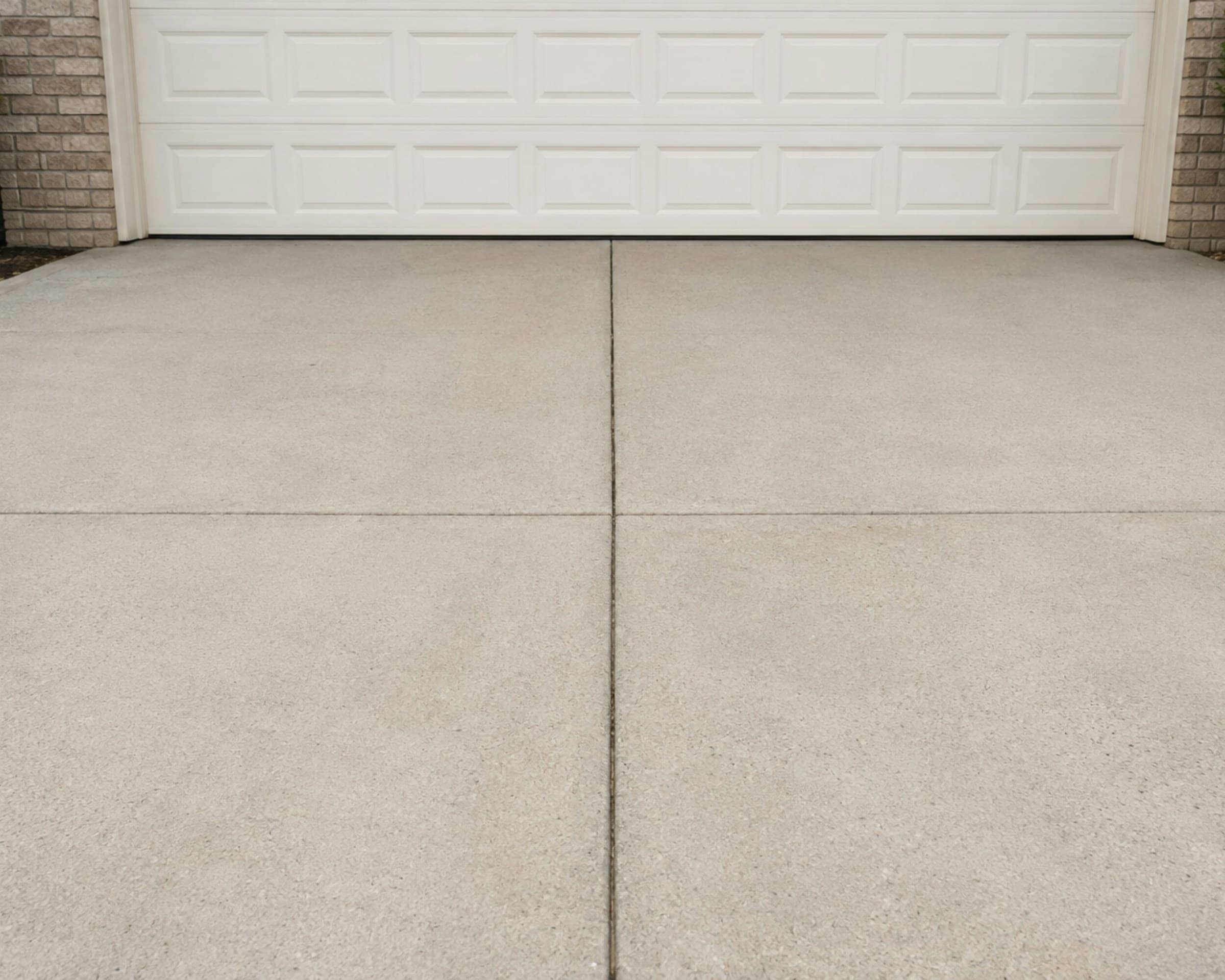
A separate apron at the garage door is common too. It's the strip where the driveway meets the garage slab, and it's often the first part to crack or settle.
Who approves the crossing in Maple Ridge?
Maple Ridge Engineering. A new, widened or relocated driveway crossing, or a ditch infill, needs an application that Engineering reviews and accepts before work starts. One primary driveway is allowed per property, and a second needs the Director of Engineering's approval.
Where the crossing goes over a ditch, the City works out the culvert size and its estimate, and the applicant pays. The work can also trigger environmental or archaeological steps. Driveways need 1.5 m clearance from the property line, hydrants and poles, and 2.0 m from street trees.
Source: Maple Ridge Driveway Crossing, Culvert and Ditch Infill application
What about Coquitlam, Burnaby and Vancouver?
Each city runs its own process. In Coquitlam, a Driveway Access Application to Engineering and Public Works covers the crossing, and work on City property is done by City staff or a City designated contractor, unless the owner hires a private contractor and posts a performance guarantee deposit. In Burnaby, a driveway crossing needs Engineering Department approval, applied for on its own or as part of a building permit.
In Vancouver, driveway crossings at the street come under the City's Crossing By-law and need the City's approval before work starts. For any other city, call its engineering department before you plan the apron.
Source: City of Coquitlam Driveway Access Application; City of Burnaby driveway crossings; City of Vancouver Crossing By-law No. 4644
How deep should a driveway apron be?
As general practice, an apron is built at least as thick as the driveway behind it, and often thicker. A common figure for the street end is 150 mm (6 in.) of concrete, because delivery and garbage trucks cross it. It sits on a compacted crushed-gravel base.
On a City crossing, the City's own standards set the thickness, base and slope, so the application comes before any numbers. On your lot, your soil and what you drive set the spec.
What is the best material for a driveway apron?
Concrete and asphalt are the two common choices. Concrete holds its edge better where tires turn and lasts longer. Asphalt is quicker and costs less to lay. Some cities specify the material on their land, so check before choosing.
Matching the apron to the driveway usually looks best, but it isn't required. A concrete apron in front of an asphalt driveway is a common way to protect the edge that wears fastest.
What happens if you don't put gravel under concrete?
The slab sits straight on soil that holds water, moves with frost and compresses under load. Water collects under the slab instead of draining away. The result is settling and cracking, and on an apron it shows up fast because of the loads crossing it.
A compacted gravel base drains, spreads the load and gives the concrete an even thickness. Send a photo of the end of your driveway with the booking form and John will tell you what the apron needs, including the City side.
The bottom line
The apron or crossing is the part of the driveway between your property line and the road, and in most Lower Mainland cities it sits on City land and needs the City's approval before work starts. In Maple Ridge that means an application accepted by Engineering, with the City sizing any culvert under it and the applicant paying.
Read next
What is the apron of a driveway?More questions
Is a 15 degree driveway steep?
Yes. 15 degrees is roughly a 27% grade, which is steep for a driveway, and cars can scrape where it meets the road. Where the driveway meets the street, the City's standards set the limits.
What is a driveway apron called?
Depending on who you ask, an apron, a crossing, an approach, a driveway entrance or a let-down. City forms usually call it a driveway crossing.
What is the gravel that hardens like concrete?
Crushed gravel with the fines left in, often sold as road base. It packs very hard when wetted and compacted, though it isn't bound like concrete.
What is the average length of an apron?
At the street it runs from the road edge to your property line, so the boulevard width on your street sets it. A garage apron is usually a short strip at the door.
Rules differ by city. Check yours with the source links above, or ask us at the site visit.